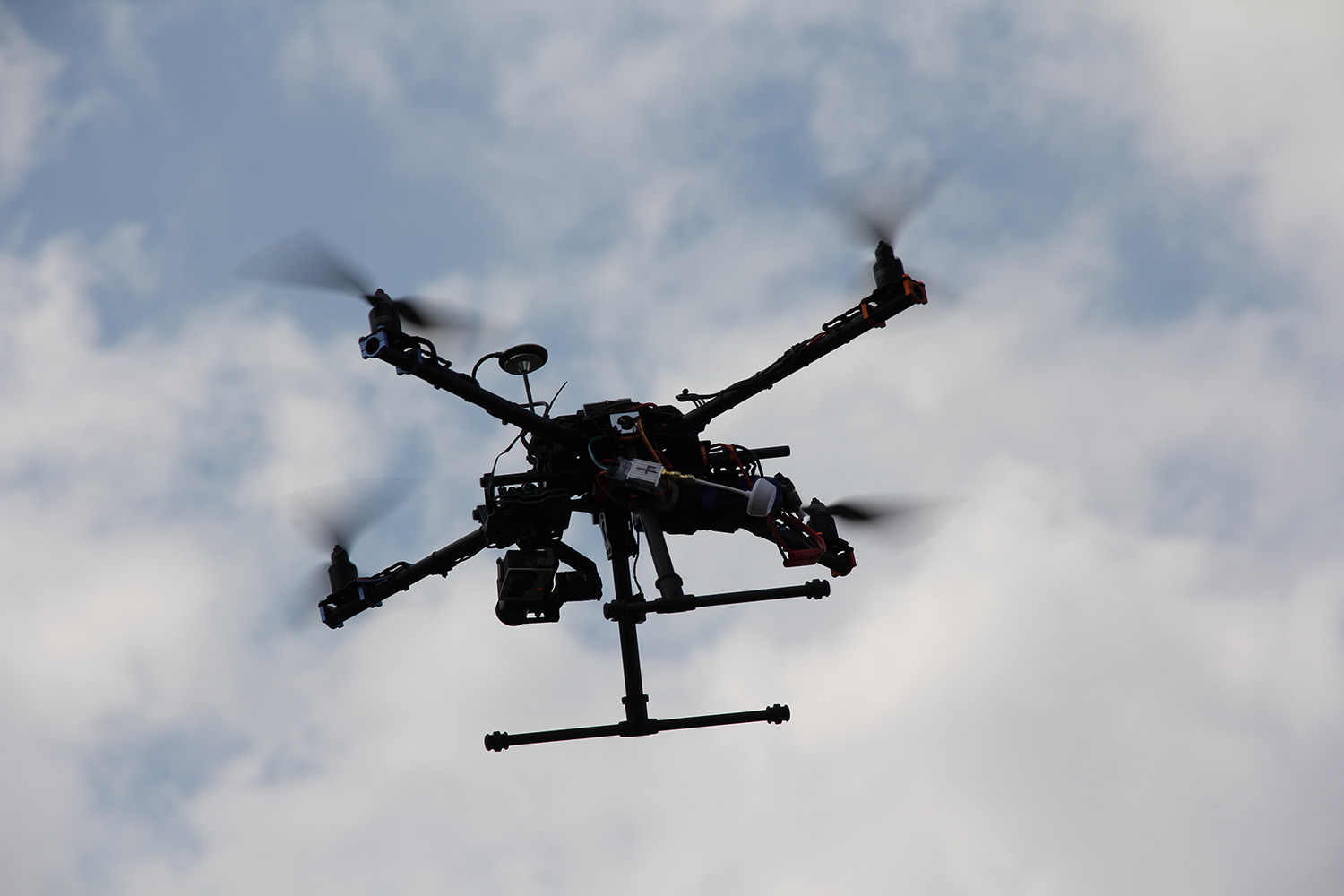
Short answer: yes. If a drone is being flown for any business purpose in New Jersey — marketing a property, documenting a job site, shooting a promo — the pilot is required by federal law to hold an FAA Part 107 Remote Pilot Certificate. There is no “it’s just a few photos” exception. If money or a commercial benefit is involved, it’s commercial flight, and commercial flight is regulated.
This matters more than most people hiring a drone operator realize, so it’s worth understanding what the rules actually are — and what’s at stake when they’re ignored.
What Part 107 Actually Is
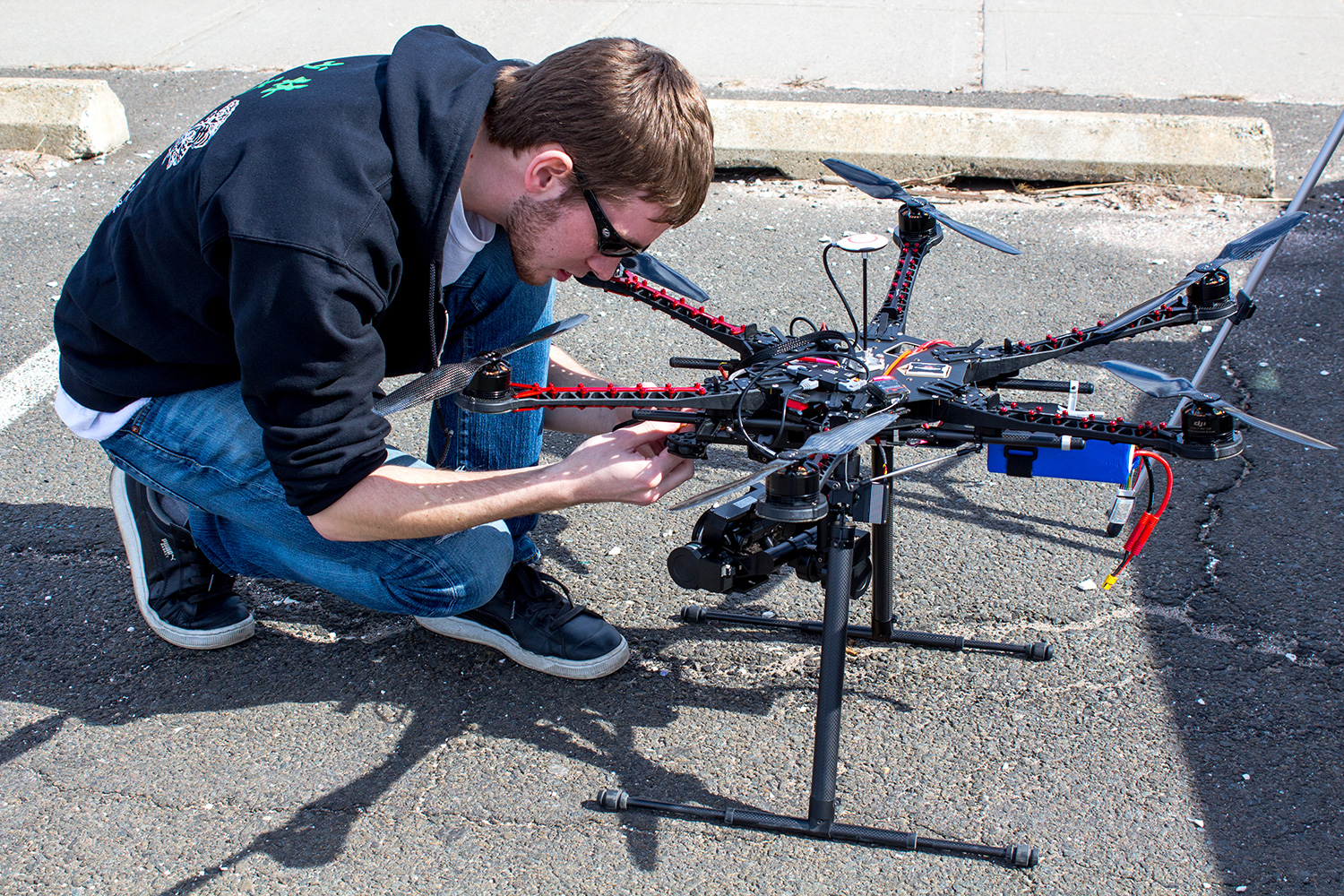
The FAA’s Part 107 is the federal rulebook for commercial small-drone operations. To earn the certificate, a pilot has to pass an aeronautical knowledge exam covering airspace, weather, regulations, and flight safety, and keep that knowledge current over time. It’s the baseline that says a pilot understands not just how to fly, but where and when they’re legally allowed to.
“Commercial” Is Broader Than You Think
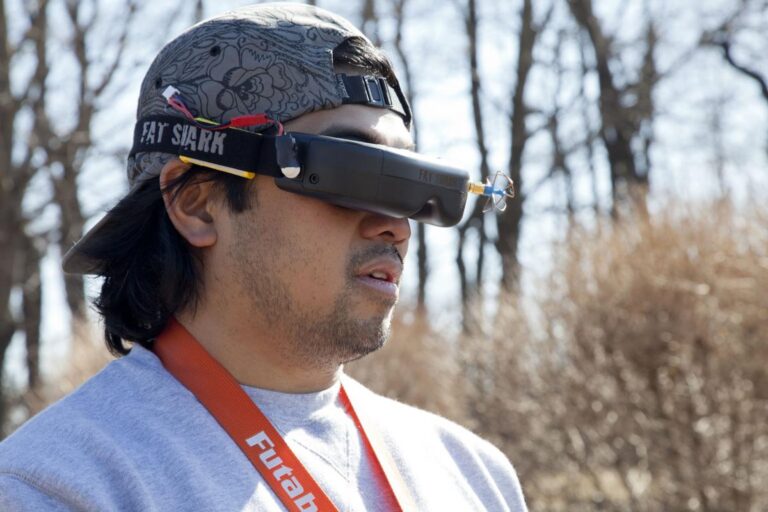
People assume “commercial” means selling the footage. It’s broader than that. The FAA treats flight as commercial whenever it’s in furtherance of a business — so a real estate agent flying their own listing, a contractor documenting their own site, or a company shooting its own marketing all need a licensed pilot. The purpose makes it commercial, not whether an invoice changes hands.
The Risks of Hiring Unlicensed
Hiring someone without a Part 107 certificate isn’t a victimless shortcut. A few things are genuinely on the line:
Your project and your liability. Unlicensed commercial flight is a federal violation that can carry significant fines — and that exposure doesn’t stay neatly with the pilot. Tying your property’s marketing to an illegal flight is a risk you don’t need.
Insurance. A legitimate operator carries drone liability insurance. If an uninsured, unlicensed flyer damages property or injures someone on your site, you do not want to be discovering the gaps in coverage after the fact.
Airspace. Much of New Jersey sits under controlled or restricted airspace — near Newark, Teterboro, the port, and countless smaller fields. A licensed pilot knows how to read it and files LAANC authorizations to fly legally where authorization is required. An unlicensed flyer often simply doesn’t know what they’re flying into.
Your footage. Flights done improperly can be grounded or the imagery rendered unusable — leaving you with a blown deadline and nothing to show for it.
How to Verify a Pilot
It’s simple, and any legitimate operator will answer without hesitation: ask for their Part 107 certificate, ask whether they carry liability insurance, and ask how they handle airspace authorization for your specific location. Vague answers are an answer.
The Bottom Line
Licensing isn’t red tape that gets in the way of good footage — it’s the thing that protects the client. When you hire a Part 107-certified, insured operator, you’re buying clean marketing, real coverage, and the confidence that the flight over your property was legal from the first second.
Sky View Pros has been FAA Part 107 certified and fully insured since the early days of commercial drone work, flying across New Jersey since 2012. Credentials first, then the good shots. If you’ve got a commercial property to market, let’s do it right.
Get a Quote — info@skyviewpros.com · 917-574-7292
Frequently asked questions
Does New Jersey add its own drone rules on top of the FAA’s?
Yes, and commercial operators have to clear both layers. Federal Part 107 rules govern the flight itself, New Jersey state law adds its own restrictions, and many municipalities and county parks regulate takeoff and landing from local property. Legal in the air is not automatically legal from the ground you launched off.
Can we be held liable if we hire an unlicensed operator?
It is a real exposure. If an uninsured, uncertificated flyer damages property or injures somebody on your site, the gaps in coverage surface after the incident rather than before it. Asking for a Part 107 certificate and proof of liability cover before work starts is the cheapest protection available to you.
What is LAANC, and why does it come up so often on New Jersey shoots?
LAANC is the FAA’s automated system for authorizing flights in controlled airspace. A great deal of New Jersey sits beneath the approaches to Newark, Teterboro and a long list of smaller fields, so a large share of commercial shoots here need authorization before takeoff. A licensed operator files it as routine.
Does a Part 107 certificate expire?
The certificate itself does not lapse, but the currency behind it does — remote pilots have to complete recurrent training on an ongoing basis to keep exercising its privileges. It is entirely fair to ask an operator when they last completed theirs.