It’s one of the first questions clients ask when they hire us for a commercial property: do I need aerial photos, aerial video, or both? The honest answer depends on what you’re trying to accomplish — so here’s how to think about it, without the upsell.
What Stills Do Best
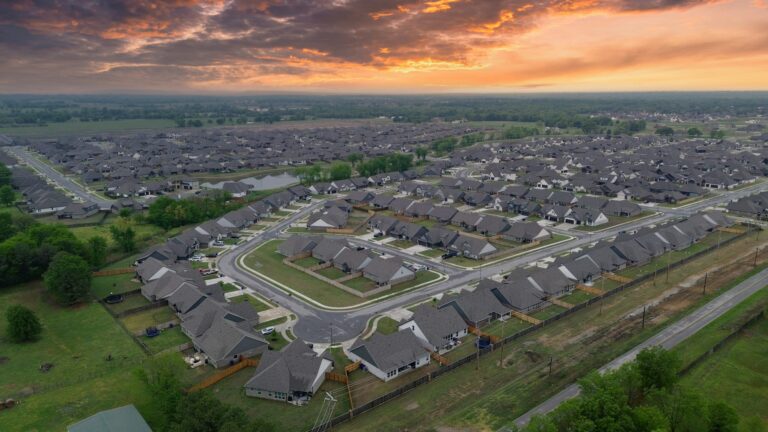
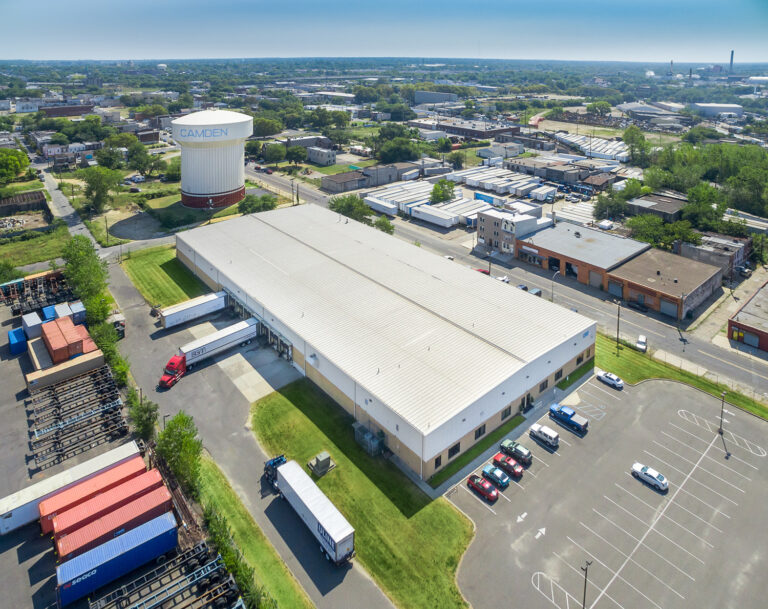
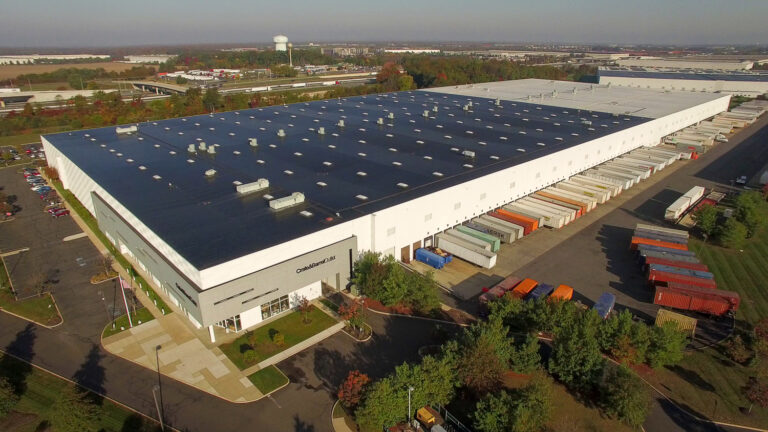
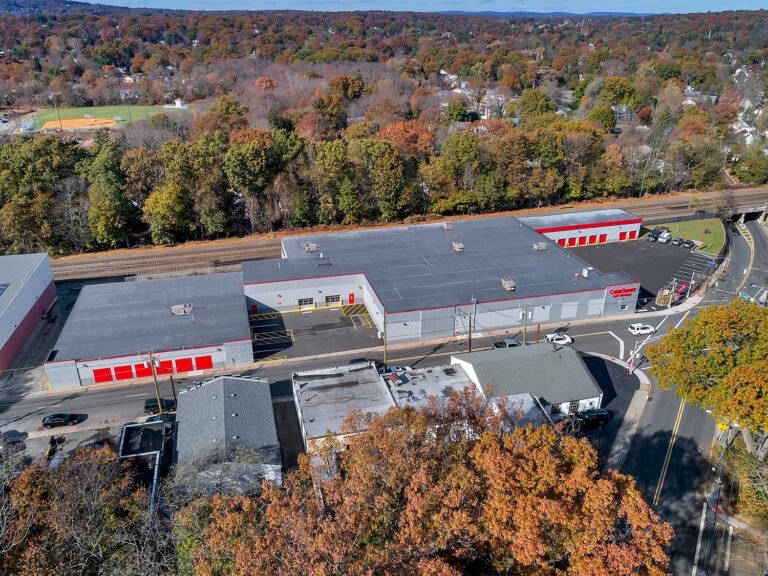
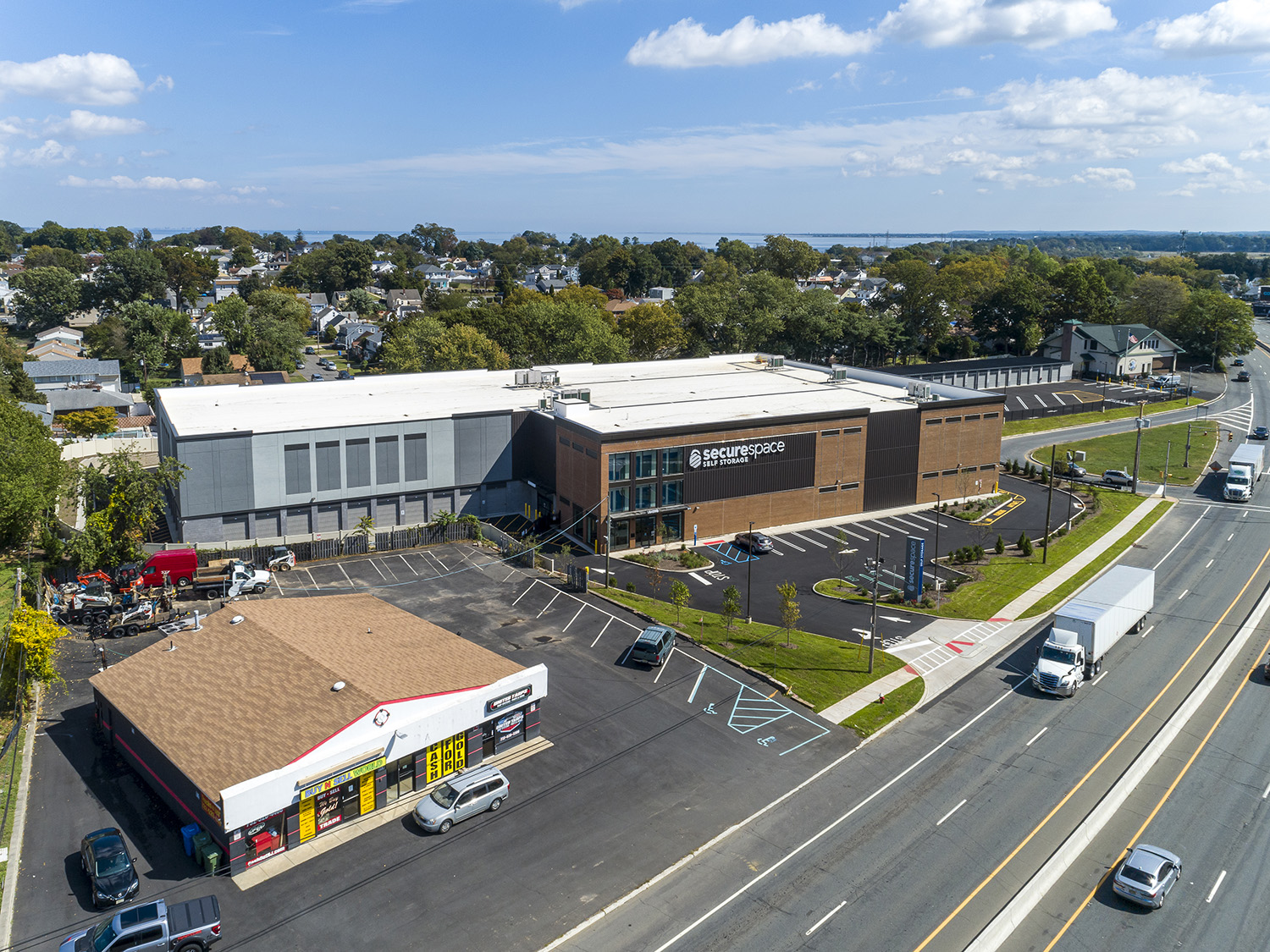
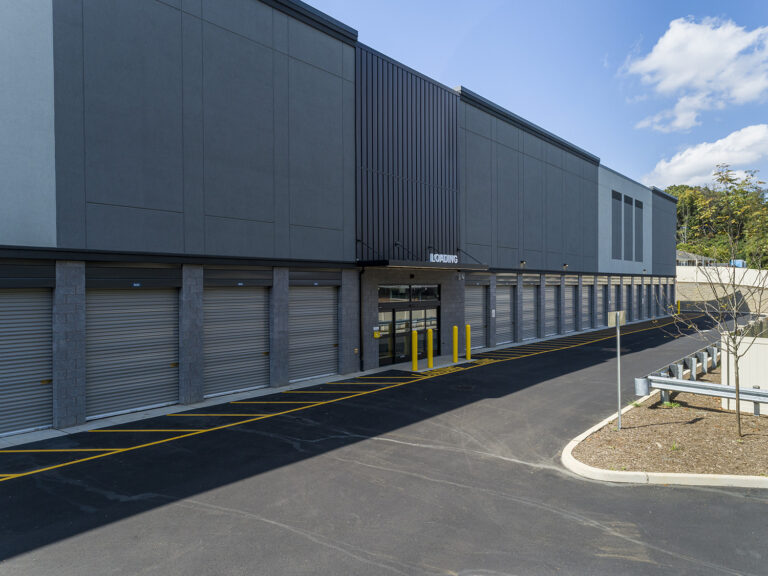
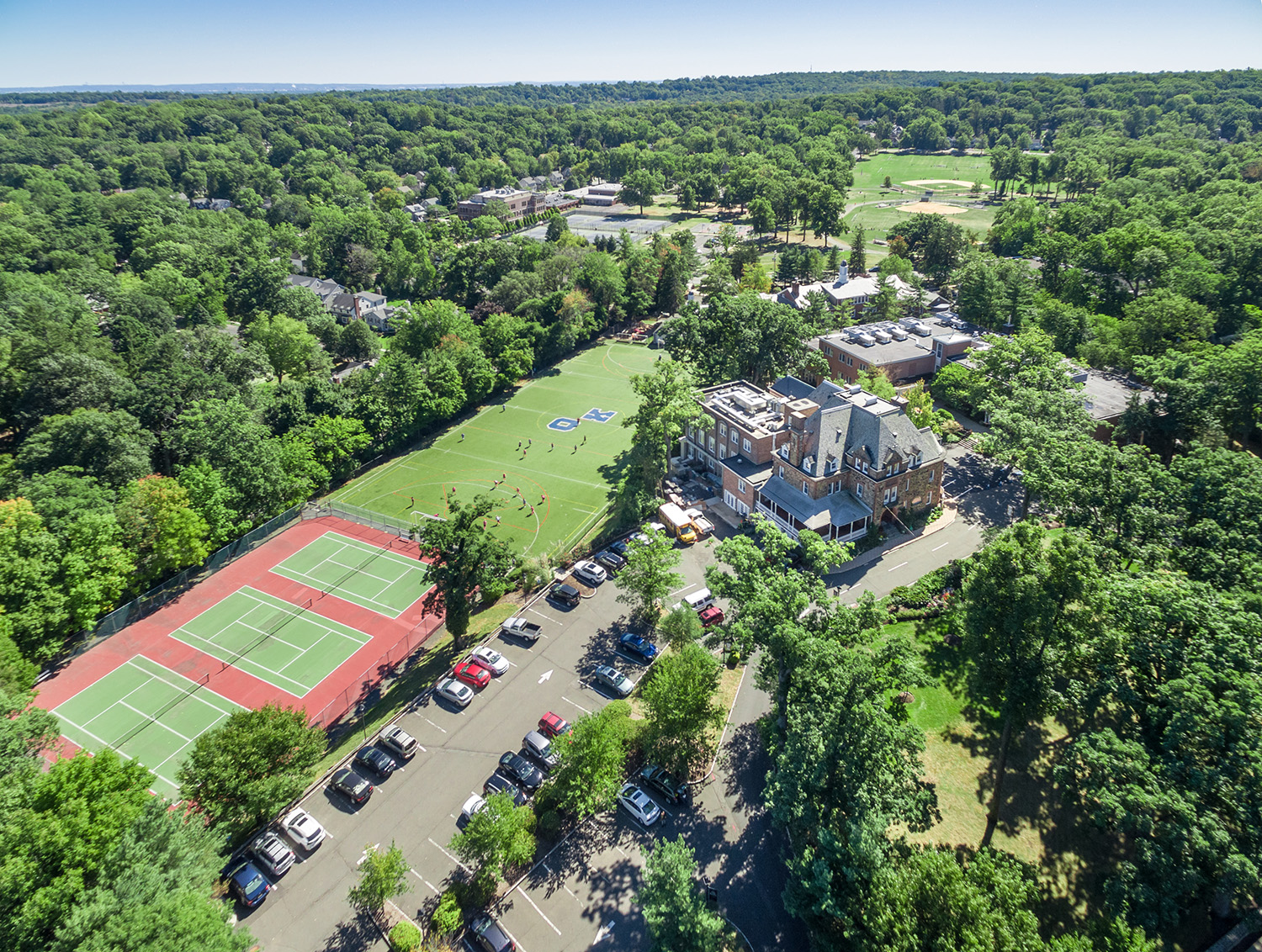
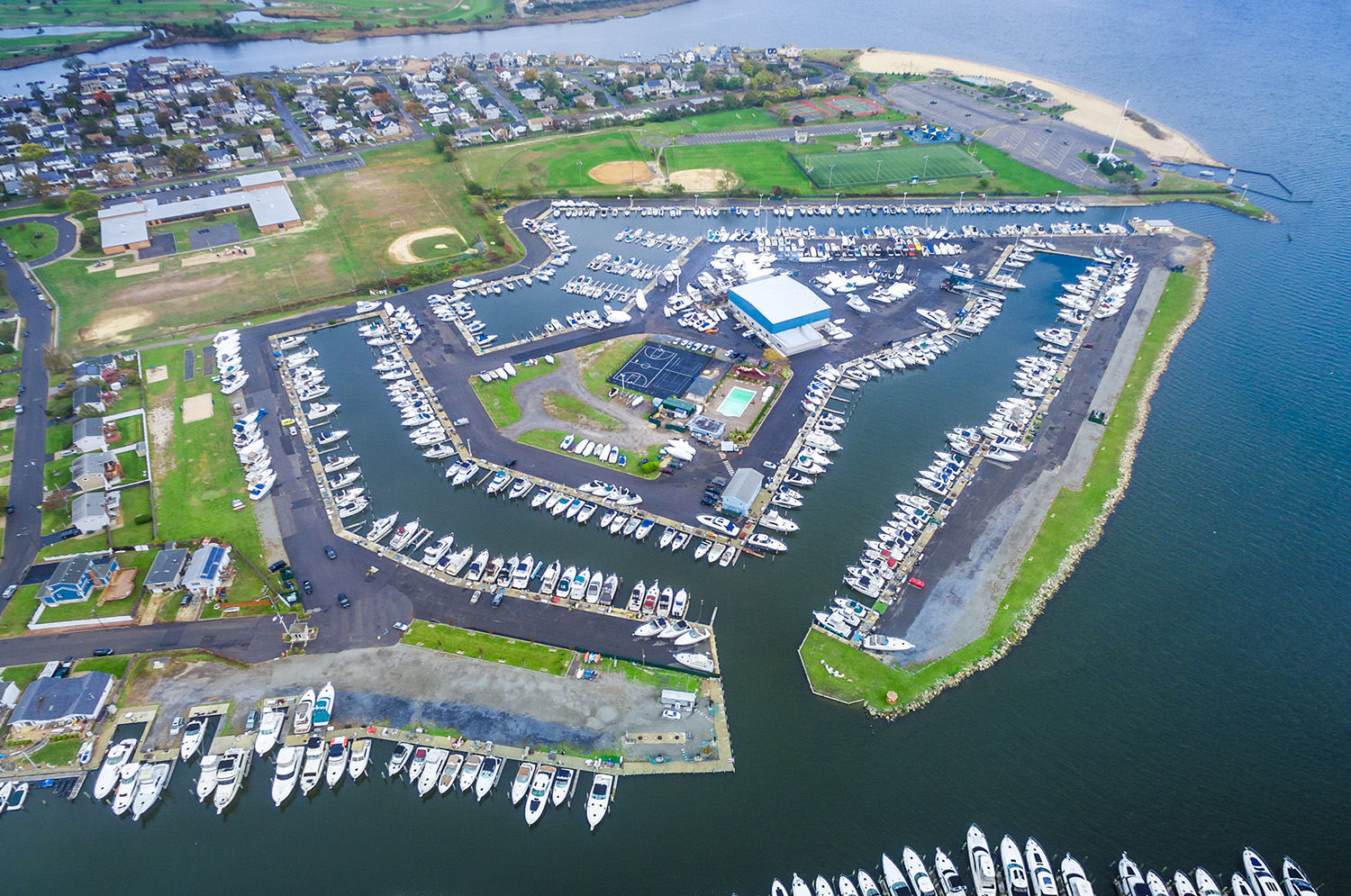
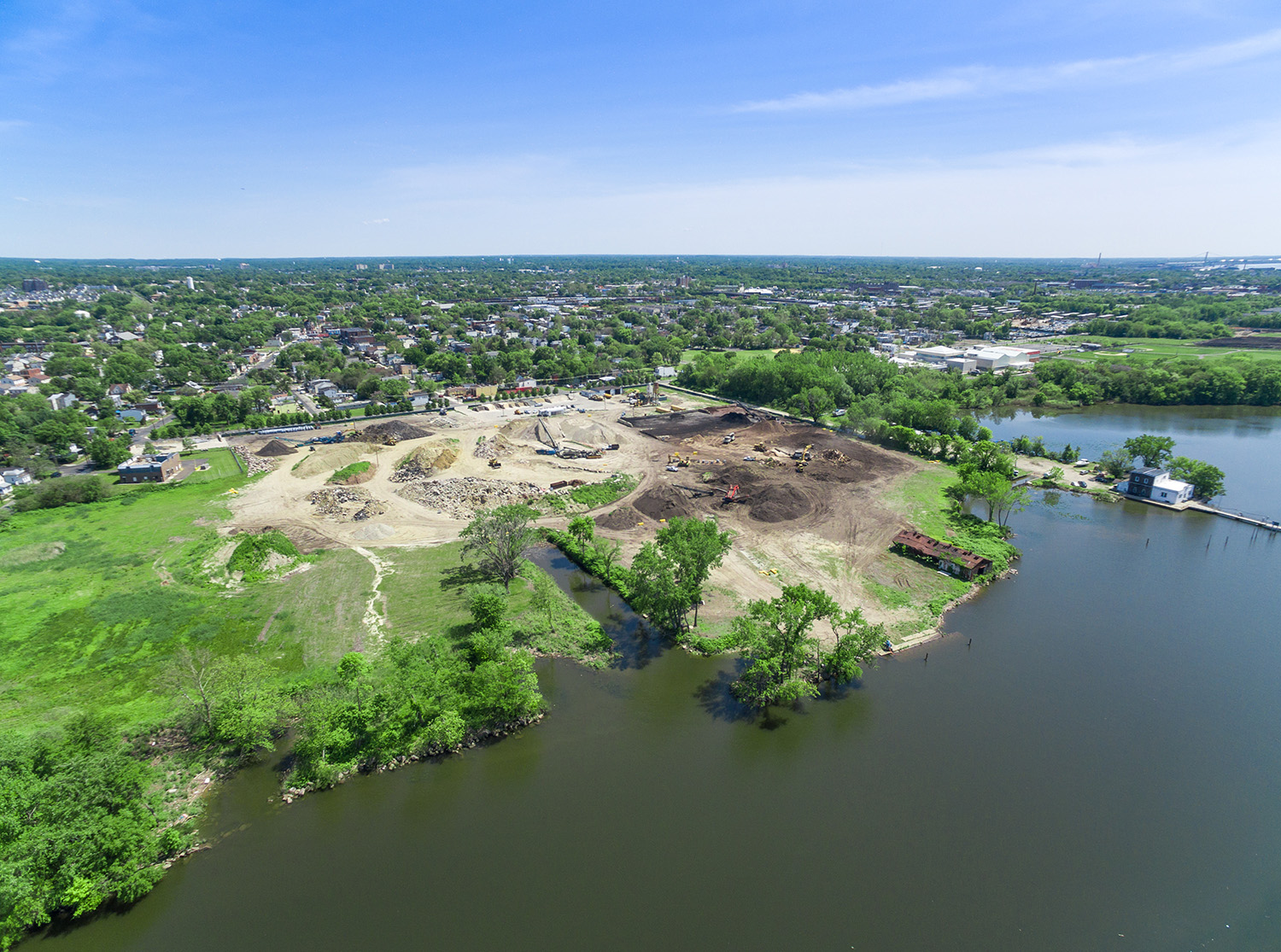
Aerial stills are the workhorse of commercial marketing. They’re what goes on the listing, in the brochure, in the offering memorandum, at the top of the web page, in the investor deck. They’re fast to deploy, easy to drop into any document, and they give a viewer the key information — footprint, access, context — in a single glance they control. If you only do one thing, do stills. A strong twilight hero shot and a clean set of context images will carry the bulk of your marketing.
Stills also win when the audience is scanning. A broker flipping through listings, a tenant rep building a shortlist — they’re moving fast, and a great photo lands instantly. Video asks for time the scanner may not give.
What Video Does Best
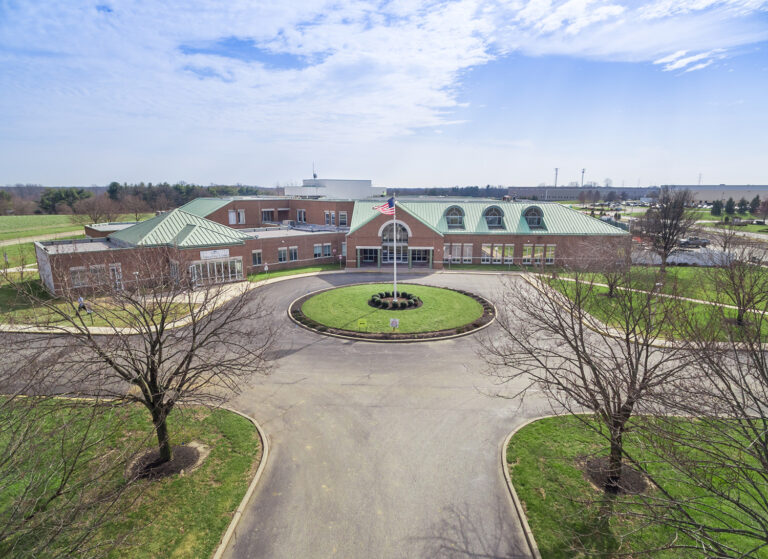
Aerial video earns its place when you need to move someone emotionally, or show something motion conveys better than a frame. A slow reveal over a development site, a sweep that follows a property’s frontage, a rise that hands the viewer the whole context — these build a feeling of scale and momentum a still can’t. Video is the right tool for an investor or leasing reel, a website header that needs to feel alive, and social media, where motion massively outperforms static images for reach.
Video also shines for properties where the experience is the pitch — a destination, a campus, a course, a waterfront development. If the goal is to make someone feel what it’s like to be there, video does it.
The Case for Both (and Why It’s Efficient)
Here’s the part most people don’t realize: capturing both in a single shoot is far more efficient than it sounds. The drone is already in the air; getting both stills and video on the same flight costs a fraction of what two separate shoots would. That’s why most serious commercial marketing uses both — stills for the documents and the fast-scan channels, video for the reels and the web. One shoot, a full toolkit.
When Budget Forces a Choice
If you genuinely have to pick one, let the primary use decide. Marketing a listing through brochures and listing sites? Lead with stills. Launching a development, recruiting tenants, or building a brand presence? Lead with video. And if you’re not sure, start with stills and add video once you see where the property needs more.
Sky View Pros shoots both across New Jersey, often on the same flight, FAA-licensed and insured. Tell us how you’ll use the imagery and we’ll tell you honestly what mix gets you the most for your money.
Get a Quote — info@skyviewpros.com · 917-574-7292

Frequently asked questions
Can still photos be pulled from the video instead of shooting both?
Frame grabs work in a pinch, but they are not equals. Dedicated stills are shot at higher resolution with settings chosen for a frozen image, while a video frame inherits motion blur and video-first exposure choices. For anything print-sized or hero-placed, purpose-shot stills win.
Can one flight session deliver both video and stills?
Yes — and a well-planned shoot usually does. The same session covers still passes and video passes as separate runs, each flown for what that format needs, which is far more efficient than two separate bookings. The deliverables diverge; the flight day does not have to.
Where can a commercial property video actually be used?
Almost everywhere the listing lives. Major listing platforms accept video or link out to it, and the same asset feeds the property website, email campaigns, broker presentations, and social channels. The question is rarely where it can go — it is whether the property’s story benefits from motion.
What can aerial video do that a ground camera on a gimbal cannot?
Move through space the viewer cannot occupy. A rising reveal over a treeline, an approach along the actual drive-in, an orbit that holds the property against its skyline — these communicate scale, position, and arrival in a way no ground track can. Ground video describes a building; aerial video describes a location.