The hardest property in real estate to market is the one that isn’t there yet. A finished building sells itself with photos of the finished building. A development site sells on something far less tangible — potential. You’re asking a tenant, a lender, or a buyer to look at a parcel of dirt and see what it’s going to become, and to commit before the first foundation is poured. That’s a storytelling problem, and aerial is one of the best tools for solving it.
What a Raw Site Actually Has to Sell
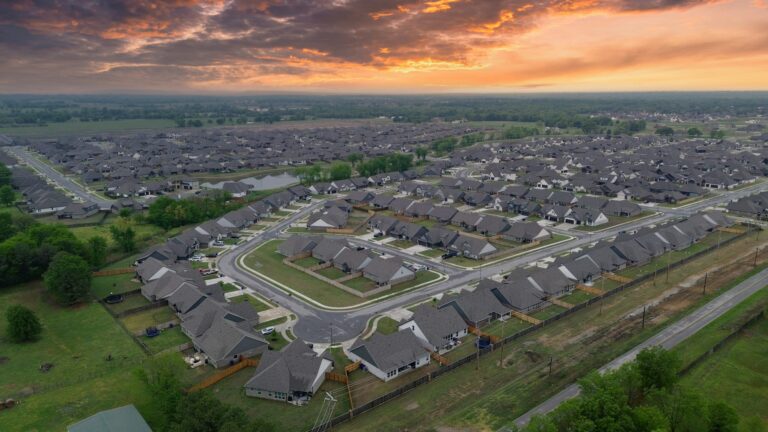
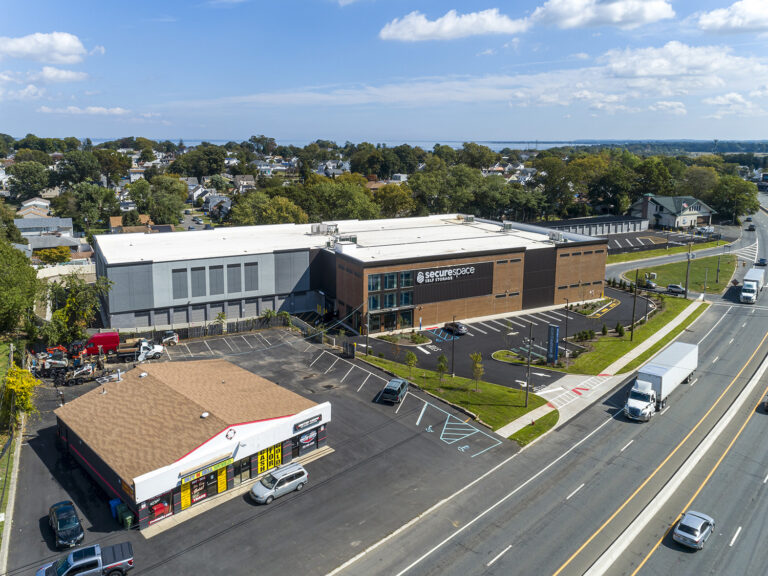
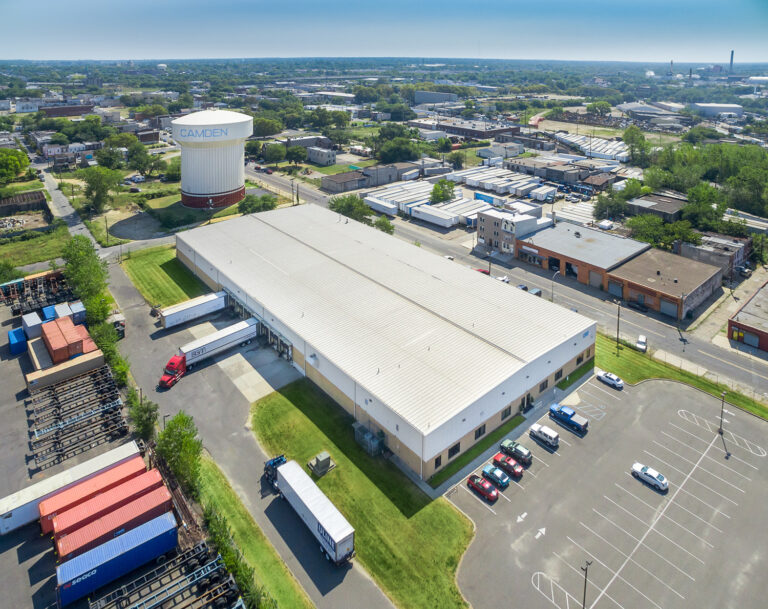
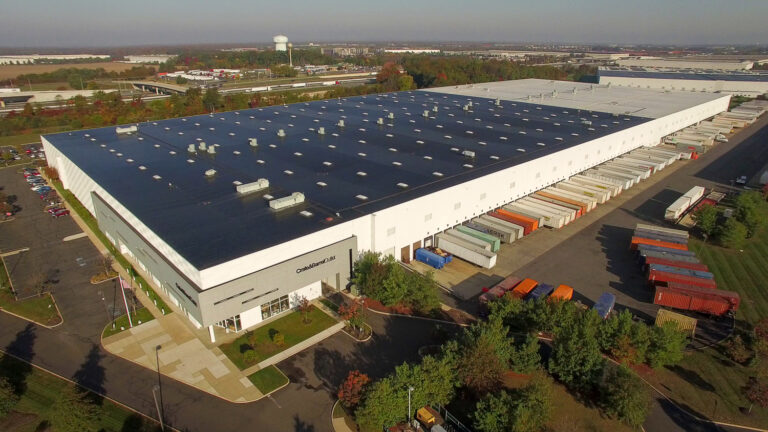
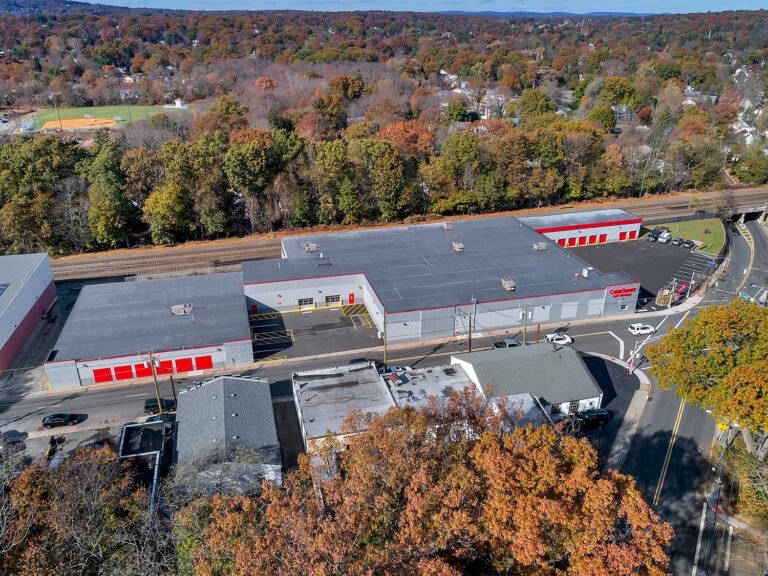
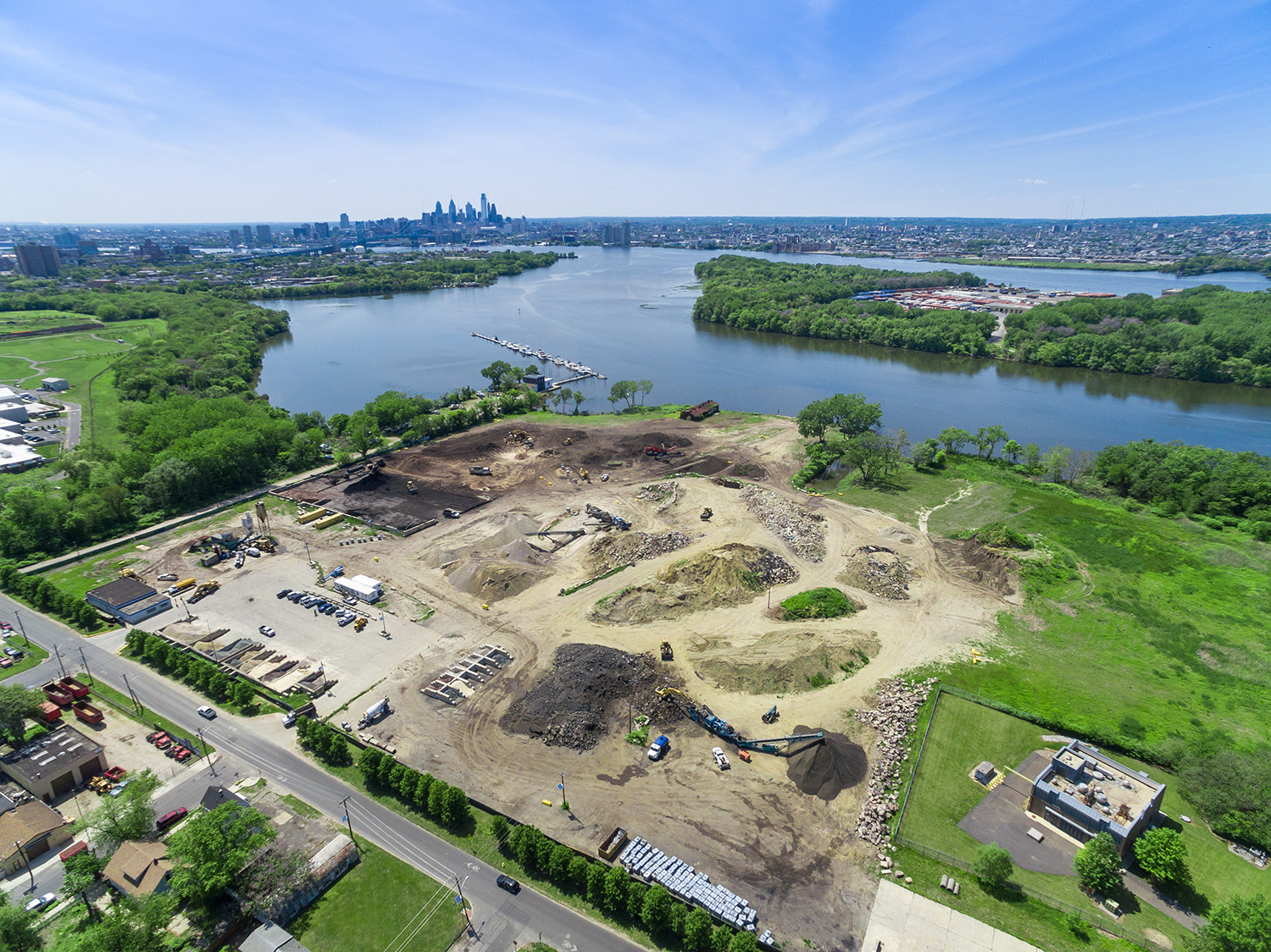
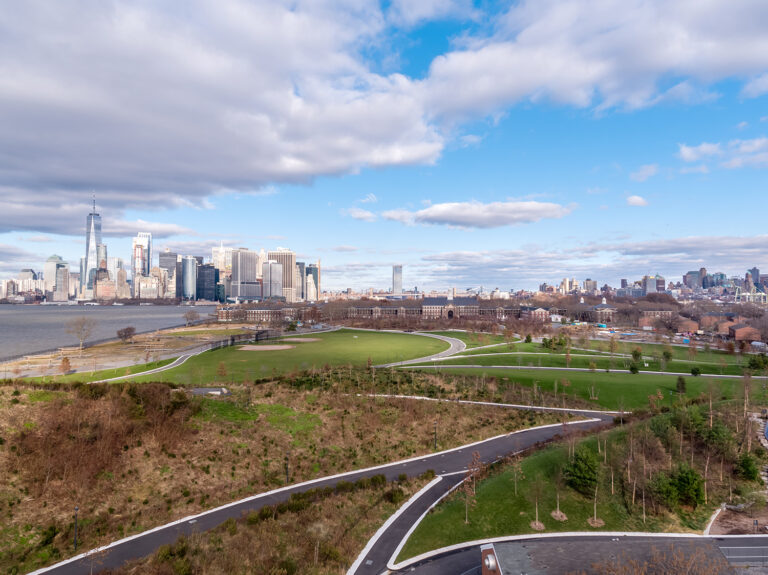
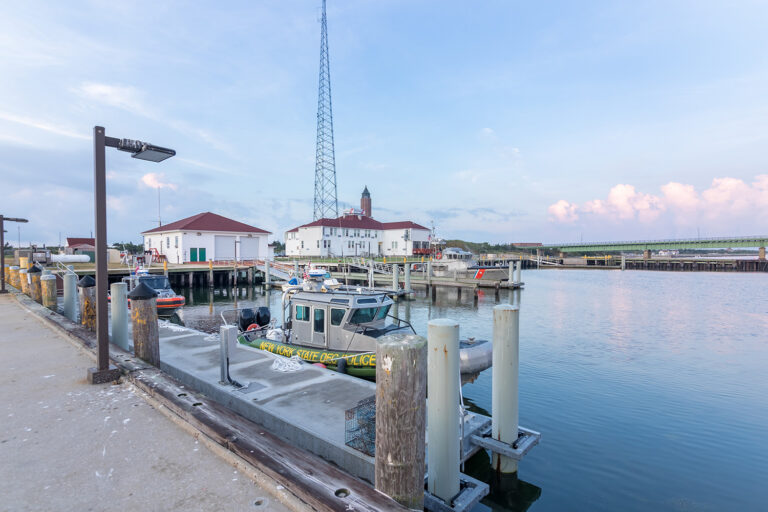
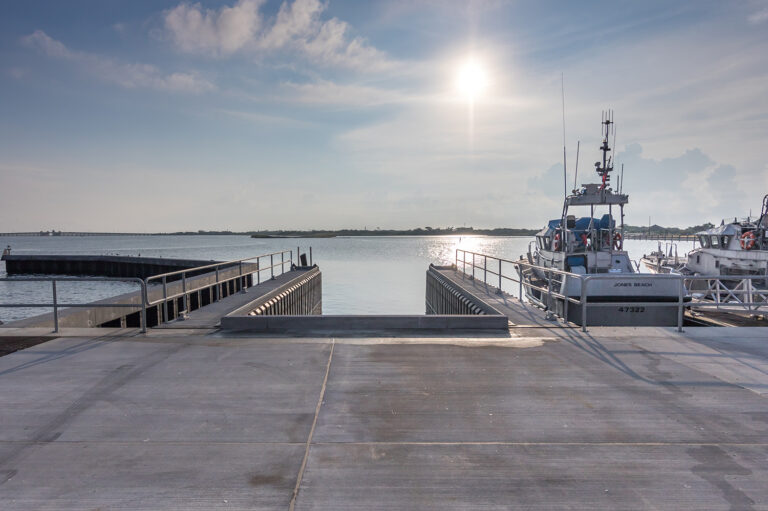
A development site has no building to photograph, but it has plenty that matters: the size and shape of the parcel, the road frontage, the access to highways and transit, the surrounding density, the anchors and neighbors that signal demand. Every one of those is a selling point, and every one of them reads best from above. A ground photo of an empty lot says “empty lot.” An aerial of the same lot — framed to show the interchange a half-mile away, the rooftops of the retail it’ll serve, the residential growth feeding it — says “opportunity.”
Vision, Made Credible
Renderings show what a project will look like. Aerial shows where it will live. Pairing the two is powerful: the rendering supplies the dream, the aerial supplies the proof that the dream sits in a real, well-located place. For pre-leasing and pre-sales, that combination does a lot of heavy lifting — it lets prospects picture the finished project in its actual context, long before there’s anything physical to tour.
The Phased Opportunity
Smart developers don’t shoot a site once. They document it as it transforms — the raw parcel, the site work, the rising structure, the topping-out, the finished asset. That progression becomes marketing in its own right: time-lapse for the website, milestone updates for stakeholders and lenders, and a finished package that tells the whole story of the build. The same aerial program that markets the site early becomes the documentation that reassures everyone funding it later.
Timing the Marketing
The earlier aerial enters the process, the more it earns. Capturing a site before and during development gives you assets for the pitch, the pre-lease campaign, the lender deck, and the eventual grand-opening — all from a property that, at the start, was just an idea on a parcel. By the time the building’s done, you’ve been marketing it for a year.
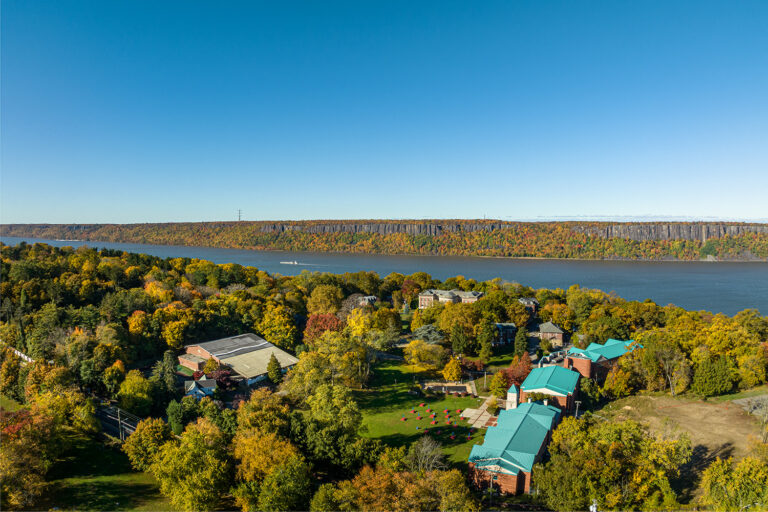
Sky View Pros shoots development and pre-construction sites across New Jersey — from the Lakewood building boom to the 8A corridor to the Gold Coast. If you’re marketing something that doesn’t exist yet, let’s make it impossible to ignore.
Get a Quote — info@skyviewpros.com · 917-574-7292
Frequently asked questions
What can you show on a site that is still vacant land?
The things that make it worth building on — the parcel in full context, road frontage and access, what already surrounds it, and the outlook a finished building would command. Aerial is the only practical way to show a buyer or tenant the location’s advantages before there is a structure to photograph.
Can you show the view from a floor that does not exist yet?
Yes — that is a view study. We position the aircraft at the elevation a future floor will occupy and capture what a window at that height will actually see. It turns a claim in a pitch deck into something a prospect can look at and judge for themselves.
How early in a development is it worth flying?
Earlier than most people schedule it. Pre-construction imagery becomes the baseline every later flight is measured against, and it is the only opportunity to record the site as it was. Once ground is broken that frame is gone for good.
Do you need the landowner’s permission to fly over a development site?
Navigable airspace is federal, so the flight itself is not the landowner’s to grant — but a professional operator coordinates with the site regardless. Access for takeoff and landing, safety briefings and timing around crews all matter on an active or secured site, and handling that properly is part of the job.